The Power of Building Thermography Surveys

The Power of Building Thermography Surveys

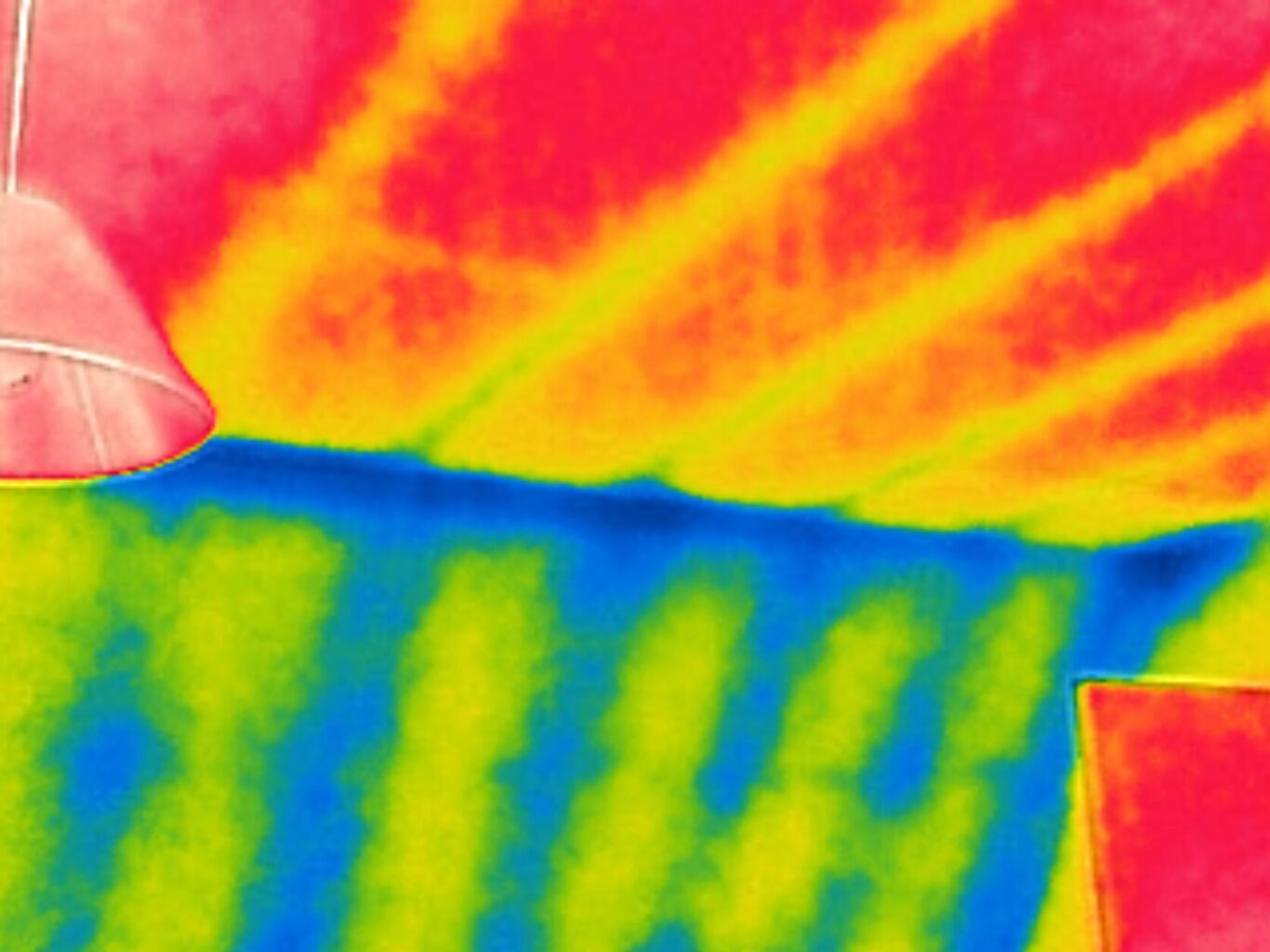
Unlocking Energy Efficiency: Missing insulation detected by thermal imaging

Building thermography surveys, also known as thermal imaging or infrared inspections, are non-invasive diagnostic techniques that use infrared cameras to detect thermal energy emitted from an object’s surface. This technology allows for the visualisation of temperature variations, which can be indicative of potential issues within a building’s structure. These issues may include heat loss, moisture intrusion, electrical faults, and insulation deficiencies, among others.

Thermography surveys are a powerful tool in the property maintenance and building industry, providing a comprehensive picture of a building’s thermal performance. They are typically conducted by trained professional thermographers who interpret the thermal images and provide detailed reports on the findings. These reports can then be used to identify areas of concern and prioritise remedial actions.

The use of thermography in building surveys is not a new concept. However, with the increasing focus on energy efficiency and sustainability, its importance has been magnified. It has been estimated that buildings account for about 40% of the nation’s total energy consumption. Therefore, improving the energy efficiency of buildings can significantly reduce overall energy use and associated carbon emissions.

Read more...

#Insulationdeficiency #ThermalBuildingInspection #ThermalBuildingSurvey #Thermography


https://www.dronemediaimaging.co.uk/the-power-of-building-thermography-surveys/

Comments

Popular posts from this blog

Solar Panel Faults - Common Types and Causes

Solar panels are a popular and efficient source of renewable energy that can last for decades. However, like any other technology, they are not immune to faults. Identifying and fixing faults in solar panels is essential to ensure their long-term functionality. In this article, we will explore the common types of solar panel faults, their causes, and how to prevent them. Solar Panel Faults: Common Types Hot Spots A hot spot is a concentrated area of high temperature on a solar panel, usually across a single cell. It occurs when a section of the panel fails to convert solar energy into electricity and instead absorbs it, causing heating. Hot spots can lead to panel damage, reduce efficiency, and in extreme cases, potentially start a fire. PID (Potential Induced Degradation) PID is an electrical phenomenon that causes a significant drop in the output power of a solar module panel. It occurs when a voltage difference develops between the solar cells and the grounded frame, leading to a le...

Why Should Solar Panels be Professionally Maintained?

Why Should Solar Panels be Professionally Maintained? Over the years, panels can suffer faults that remain invisible to the naked eye but which impact their efficiency in terms of generating power. In serious situations these faults can even lead to a fire hazard. So it’s really important to keep up with the maintenance on your panels to keep your installation safe and also to make sure you are making the most of your investment. Obviously, the problem with regular and specialist inspection of your panels is that they are most likely to be in inaccessible areas of your home such as your roof. Having an actual human being up there to manually test each panel can be costly due to the health and safety precautions they have to take and potentially equipment they have to hire in order to gain access, plus you run the risk of damage to your roof structure during the inspection process. However, there is a simple and non-invasive solution that reduces inspection costs and means that if you d...

The Crucial Role of Diodes in Solar Panels

Enhancing Energy Conversion and Preventing Damage: The Importance of Diodes in Solar Panels Solar panels are becoming an increasingly popular choice for generating clean and renewable energy. However, to ensure optimal energy conversion and efficient performance, it is crucial to understand the role of diodes in solar panels and the importance of detecting faults through thermal imaging. Diodes are semiconductor devices that allow the flow of current in one direction while blocking it in the opposite direction. In solar panels, diodes are essential for several reasons. Primarily, they prevent reverse current flow, ensuring that the energy generated by the solar cells is not wasted or lost. Without diodes, shaded or defective cells could draw current from the remaining functional cells, causing a significant drop in overall panel efficiency. The Role of Diodes in Solar Panels: Ensuring Optimal Energy Conversion Professional commercial thermographerDiodes are essential components in sola...